
PART 1:
Some dogs don’t just feel unsure around people — they self‑guard. They watch, they brace, they hold themselves tight, and they’re ready to defend their space if they think they need to. Often these are the dogs labelled “shut down”, “neurotic”, “odd”, “spooky”, or “fine until you try to touch them”.
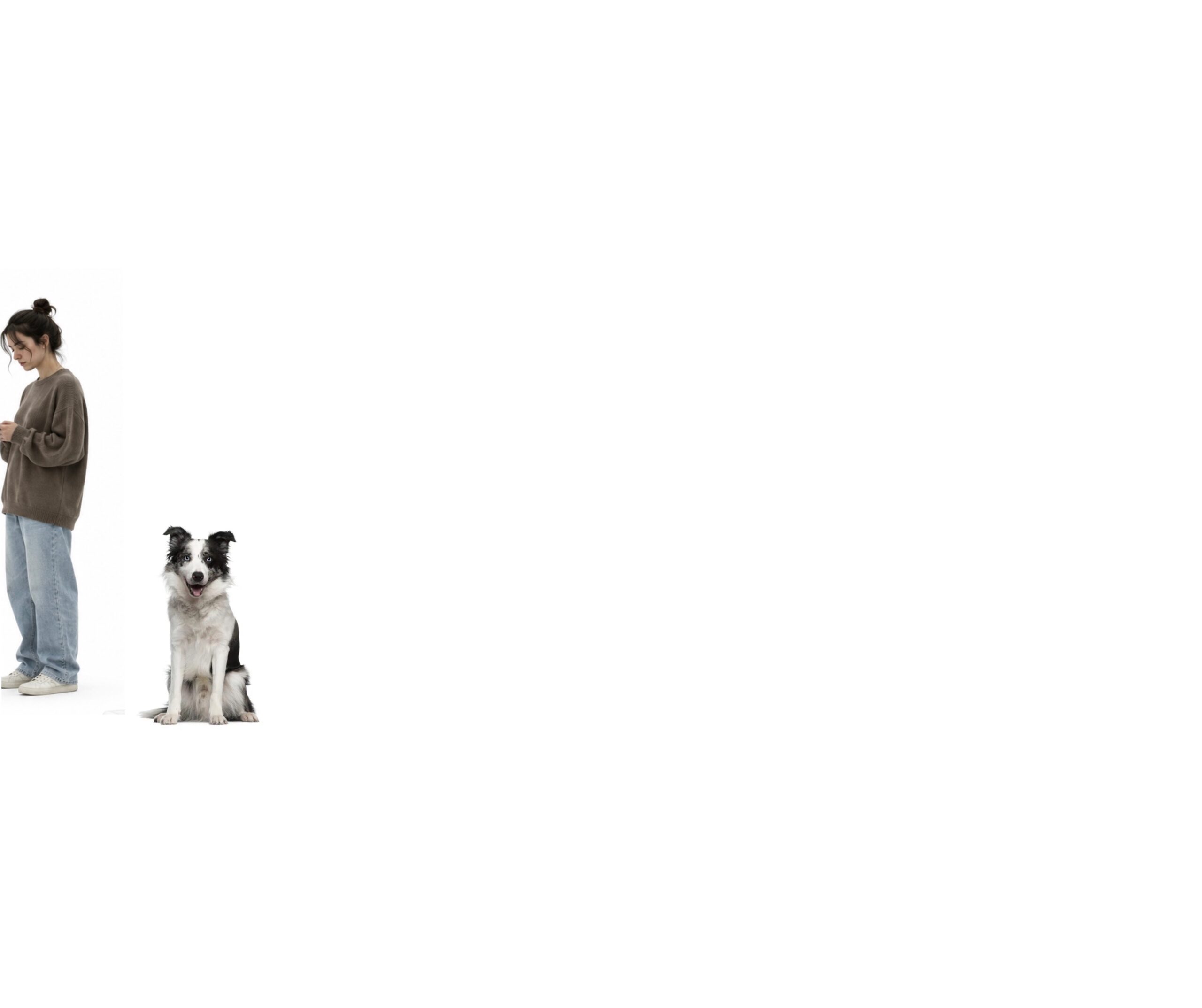
At CBRC we work with a lot of dogs like this. One of the most powerful tools we use early on is what we call the “Invisible Dog” approach.
It’s exactly what it sounds like: for a period of time, we remove human pressure so the dog can breathe again. That means:
- No direct eye contact
- No reaching out
- No touch
- Minimal talking (and no “cheerleading”)
- No hovering, cornering, or “testing”
- Space, predictability, and calm
Then — only when the dog is genuinely ready — we rebuild interaction slowly, carefully, and with consent.
What’s really going on for these dogs
A self‑guarding, human‑wary dog is often living in a state of constant scanning. Their nervous system is busy asking:
- “Are you safe?”
- “Are you coming closer?”
- “What do you want from me?”
- “Do I need to protect myself?”
Even kind, well‑meaning humans can feel like pressure.
Pressure isn’t just “bad handling”
Pressure can be tiny things:
- Facing the dog head‑on
- Leaning over them
- Staring (even softly)
- Reaching out “slowly”
- Talking in a bright voice
- Trying to lure them closer with food
- Asking for cues (“sit”, “paw”, “look at me”) before trust exists
For a worried dog, those things can feel like a demand: engage with me, now. And if the dog doesn’t have the emotional capacity to cope, they’ll protect themselves the only way they know how.
Why “Invisible Dog” works (and why it’s kind)
1) It stops the dog from having to perform
Many human‑wary dogs have learned that people push for interaction. When we remove that expectation, the dog doesn’t have to:
- hold themselves together
- manage closeness
- tolerate touch
- guess what’s coming next
They can simply exist.
2) It lowers arousal and gives the nervous system a chance to settle
When we stop “doing things to” the dog, we often see a drop in:
- hypervigilance
- startle responses
- pacing
- freezing
- defensive barking
This isn’t magic. It’s the dog’s body finally getting the message: you’re not being pursued.
3) It builds trust through predictability, not persuasion
Trust isn’t built by convincing a dog. It’s built by being consistently safe.
When we are calm, consistent, and non‑intrusive, the dog starts to learn:
- humans can be near without demanding anything
- humans can move without it meaning “hands are coming”
- the environment is stable
That’s the foundation we need before we even think about touch.
4) It reduces the chance of bites and “sudden” reactions
A lot of bites aren’t sudden at all — they’re the end of a long chain of stress signals that got missed or ignored.
Invisible Dog reduces risk because we:
- stop pushing the dog over threshold
- stop creating repeated “near misses”
- give the dog space to choose distance
When a dog feels they have options, they don’t need to defend themselves as much.
Who is this approach for?
Invisible Dog is particularly helpful for dogs who:
- self‑guard in kennels or at home
- freeze or flinch when approached
- are “fine” until hands appear
- are wary of eye contact
- watch people constantly
- struggle with visitors
- have a history of punishment, rough handling, or unpredictable humans
- are easily overwhelmed by normal household life
It can also be useful for dogs who are not overtly aggressive, but are mildly neurotic — constantly on edge, easily startled, and always trying to control what’s happening.
PART: 2
Practical steps: how to do “Invisible Dog” (properly)
Step 1: Set up the environment to make success easy
- Give the dog a safe base (bed, crate with door open, pen, quiet room)
- Use baby gates and barriers so nobody has to squeeze past
- Keep routines predictable (meals, toilet breaks, rest)
- Reduce traffic and “surprises”
- Use a lead indoors if needed for safe movement (no dragging, no forcing)
Step 2: Become boring (in the best way)
When you’re in the dog’s space:
- Turn your body sideways
- Keep your movements slow and purposeful
- Avoid looming or bending over
- Don’t stare — use soft peripheral awareness
- Don’t talk at the dog (especially not “it’s ok, it’s ok”)
You’re aiming for: calm presence, no agenda.
Step 3: Let the dog control distance
- Don’t approach to “see if they’ll cope”
- Don’t follow if they move away
- Don’t block exits
- Don’t corner them for leads, collars, or harnesses
If the dog chooses to come closer, you stay neutral. No grabbing the moment.
Step 4: Feed without pressure (if food is appropriate)
Food can be helpful, but only if it doesn’t become a lure.
- Place food down and step away
- Toss food past the dog (so distance increases, not decreases)
- Keep it simple and consistent
If the dog won’t eat, that’s information: they are likely too stressed.
Step 5: Rebuild interaction slowly, with consent
When the dog is showing real signs of settling (see below), we start to add tiny pieces of interaction:
- Presence (you in the room, no engagement)
- Movement (you moving normally, dog stays relaxed)
- Sound (quiet, neutral voice away from the dog)
- Choice‑based proximity (dog approaches, you remain still)
- Hand presence (hand visible but not reaching)
- Brief, consent‑based touch (only if the dog initiates and stays soft)
Touch is the last thing, not the first.
What to avoid (common well‑meaning mistakes)
- Let them sniff your hand. A dog sniffing does not mean they want touch.
- Reaching over the head. This is threatening for many dogs.
- Staring lovingly. Eye contact can be intense.
- Talking constantly. It can add pressure and arousal.
- Luring closer with food. It can create conflict: “I want the food, but I don’t feel safe.”
- Keeping the dog in a scary situation until they “get used to it” often creates learned helplessness or a bigger reaction later.
- Punishing warnings. If you punish growls, you remove the warning system.
- Rushing the timeline. Trust that’s built fast can collapse fast.
Signs it is working: what progress looks like
Progress is often subtle at first. Look for:
- Softer body (less tight, less braced)
- More sleep and deeper rest
- Eating more reliably
- Sniffing the ground, exploring, doing “normal dog” things
- Choosing to move away rather than freezing
- Less scanning and staring
- Shaking off after stress (then settling)
- Taking treats and then disengaging calmly
- Approaching briefly and then leaving (this is healthy choice)
A big one: the dog starts to feel safe enough to be a bit messy — to sigh, stretch, flop, scratch, roll, or potter about without watching you every second.
Safety notes (please read)
- Distance is your friend. If you are unsure, add space.
- Use barriers and leads to prevent accidental cornering.
- Do not attempt touch just because the dog is quiet. Quiet can be fear.
- Children and visitors should not be part of early work.
- If a dog has a bite history, get professional support and use a clear handling plan.
- Muzzles can be a brilliant safety tool when introduced properly and kindly — but they are not a substitute for rebuilding trust.
If you are seeing escalating behaviour (hard staring, stalking, freezing, growling, snapping), that’s not “naughtiness”. It is information that the dog is over threshold and needs the plan adjusted.
The heart of it
Invisible Dog is not ignoring a dog in a cold way.
It is saying:
- “I won’t demand anything from you.”
- “I won’t chase connection.”
- “I’ll let you breathe.”
- “I’ll be safe and predictable until you believe me.”
For self‑guarding, human‑wary dogs, that can be the first time in their life a human has truly taken the pressure off.
The Canine Behaviour Rehabilitation Centre CBRC
Need help with a dog like this?
If you are living with a dog who self‑guards, freezes, flinches, or reacts defensively to handling, you don’t have to guess your way through it.
CBRC specialises in complex behaviour cases and welfare‑led rehabilitation. If you’d like support — whether that is an assessment, a structured plan, or residential rehab — you can contact us here: CONTACT US
