
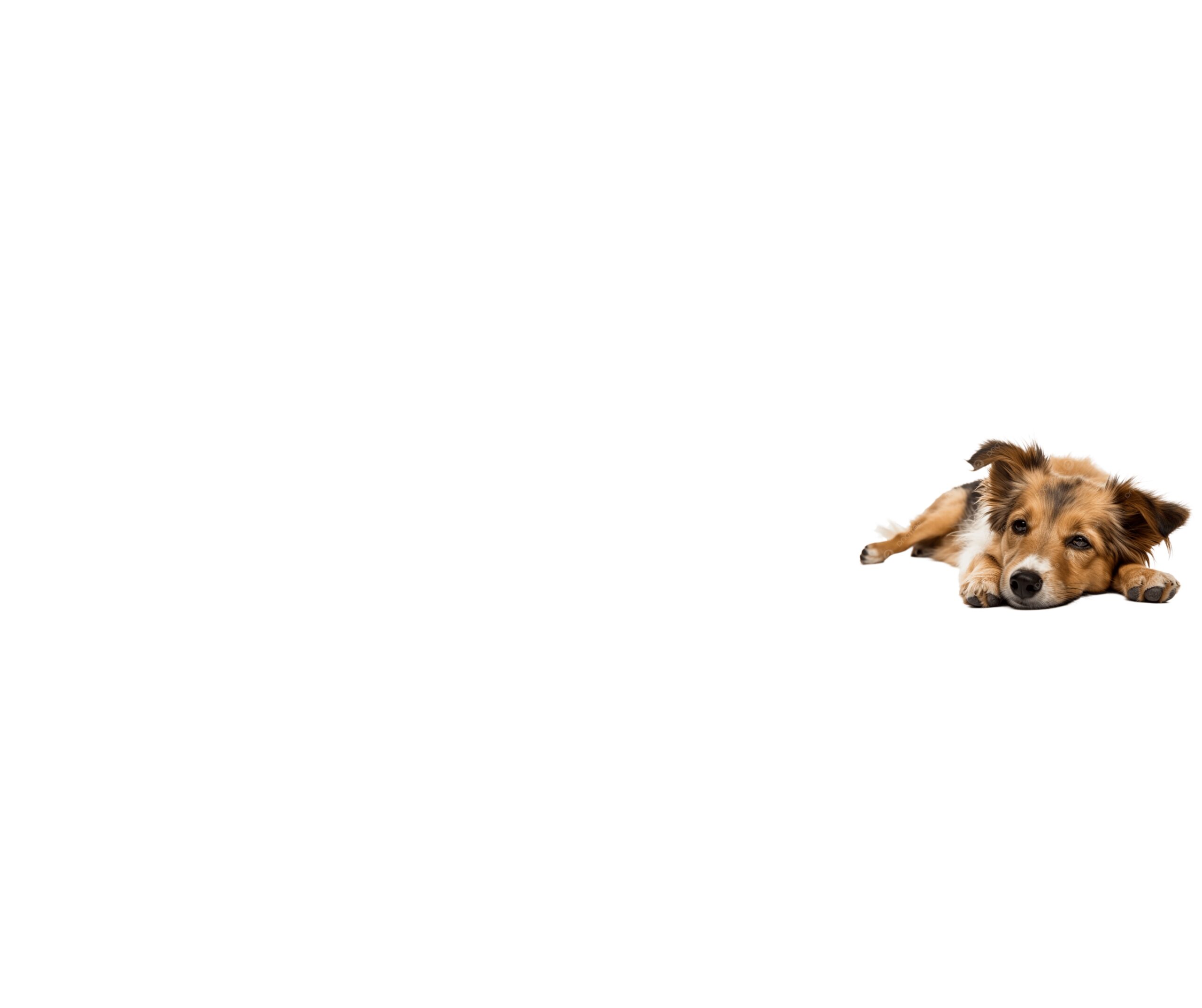
Most people think decompression is something you do after a dog has “had a wobble”. In reality, decompression is what prevents the wobble in the first place.
When a dog is stressed, their whole system changes — not just their behaviour. Stress can be fear, worry, uncertainty… but it can also be over-excitement, busy environments, too much social contact, too much “doing.”
In that state, the brain is not learning properly. The body is not resting properly. The dog is coping — and coping is not the same as feeling safe.
I see it so often: a dog arrives and on paper they are “fine.” Friendly. No obvious anxiety. They eat, they play, they potter about.
But their sleep is light. Their body is tight. They are scanning more than they are settling. Their fuse is shorter than it looks.
Then something small happens — a dog appears too close, a lead tightens, a hand reaches in at the wrong moment, a noise, a sudden change — and everyone says, “That came out of nowhere.”
It didn’t. It came out of a nervous system that never got chance to come back down.
So, what is decompression, clinically?
It is the process of letting the dog’s nervous system return to baseline. It is the reduction of stress load (trigger stacking), so the dog’s threshold rises again — meaning they can cope, think, and respond rather than react.
What decompression supports (psychologically and physically)
- Better sleep (real rest, not “dozing with one eye open”)
- Lower muscle tension and less bracing through the body
- Improved digestion and appetite regulation
- Better emotional resilience and frustration tolerance
- A brain that can actually take in learning and form new associations.
And here is the bit people miss
Decompression is not only for anxious dogs. It is for all dogs — because modern life is intense.
Walks are not always relaxing. Social is not always healthy. “Enrichment” is not always calming. A busy day can look lovely on Facebook and still be a lot for a dog’s nervous system.
What decompression looks like in real life
Quiet. Predictable routine. Low-pressure days. Sniffing and slow meanders. Chewing/licking. Space. Choice. A safe place where nothing is expected.
What it isn’t
Dog parks, constant ball throwing, busy cafés, “let’s socialise him out of it,” or pushing through triggers to “get used to it.”
If you are working on behaviour — whether it is reactivity, anxiety, guarding, handling sensitivity, or just a dog who cannot settle — decompression is not the reward at the end.
It is the foundation at the start.
The Canine Behaviour Rehabilitation Centre CBRC
CBRC specialises in complex behaviour cases and welfare‑led rehabilitation. If you’d like support — whether that is an assessment, a structured plan, or residential rehab — you can contact us here: CONTACT US
