
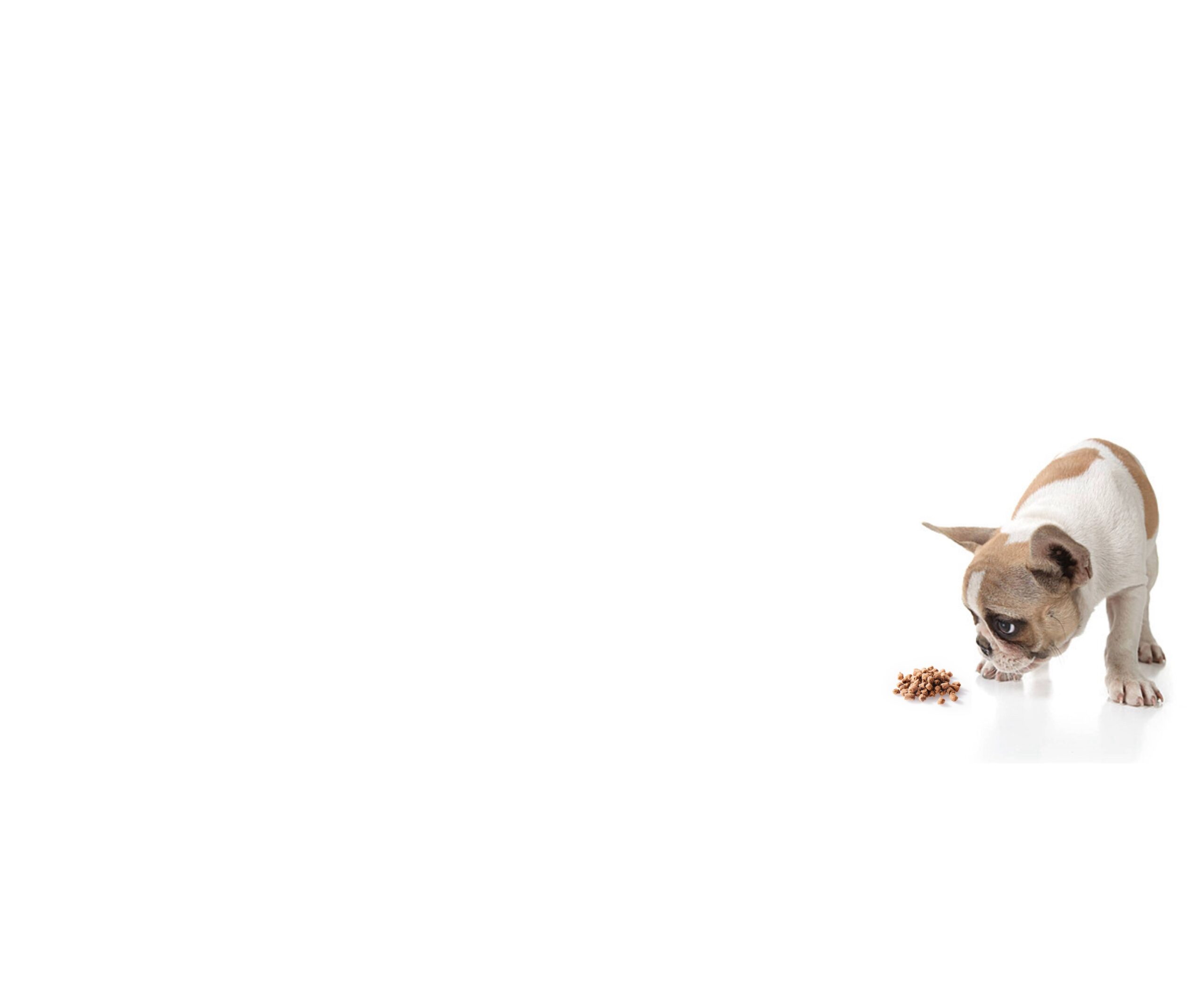
If you’ve ever watched us work with a dog in rehabilitation and thought, “Hang on… are they really just throwing treats in the grass?” — you’re not alone.
Owners sometimes see scatter feeding, “go find”, “go seek”, or little sniffy games and assume they’re a bit… fluffy. Like they’re a nice extra, but not real rehabilitation.
But here’s the truth: using a dog’s nose is one of the most effective, welfare-led tools we have for helping dogs move forward — especially dogs who are fearful, reactive, shut down, hypervigilant, or struggling to trust the world (or their handler).
At CBRC, scent work isn’t a gimmick. It’s a key part of reward-based rehabilitation because it helps dogs feel safer, think more clearly, and start choosing different behaviours — without force, without flooding, and without pressure.
Why sniffing matters (and why it’s not “just snacks”)
Dogs experience the world through their nose in a way we can’t really compare to anything human. Sniffing isn’t a small thing to them — it’s information-gathering, emotional regulation, and problem-solving all rolled into one.
When we offer scent work in rehabilitation, we’re not “distracting” a dog in a cheap way.
We’re giving them a safe, natural job that:
- Engages their nose and brain in a calm, organised way
- Gives them something predictable and rewarding to do
- Helps them self-regulate in environments that might otherwise feel too much
- Builds confidence through successful choices (“I can do this”)
- Supports trust and connection with the handler (“good things happen with you”)
And importantly: it becomes self-rewarding. Sniffing is inherently satisfying for many dogs. That matters massively for dogs who are learning to cope.
What’s going on emotionally during scent work?
A dog who is fearful or reactive is usually not being “naughty”. They are overwhelmed. Their nervous system is scanning for danger, and their behaviour is trying to create space or safety.
When we introduce scent work properly, the dog is able to:
- Shift from “survival mode” into “thinking mode”
Sniffing engages the brain. It gives the dog a task that’s achievable and safe. - Create distance from triggers without conflict
Instead of staring, fixating, barking, lunging, freezing, or spiralling, the dog has an alternative behaviour available: “I can search.” - Experience success while the world is still happening
The dog learns: even with things going on nearby, I can do something rewarding and I can cope. - Practise making better choices
At CBRC, we’re not forcing calm — we’re reinforcing calm choices. Scent work is one of the cleanest ways to do that because it’s not confrontational.
“But isn’t it just distracting them?”
It can be, if it’s done badly — like shoving food under a dog’s nose when they’re already over threshold and panicking.
Done properly, scent work is:
- Proactive (set up before the dog tips over)
- Choice-led (the dog opts in)
- Reinforcing (it pays the dog for coping)
- Repeatable (it becomes a reliable pattern the dog can lean on)
It’s not bribery. It’s not “treating over the problem”. It’s teaching the dog a new emotional pathway: I can feel safe enough to engage.
The CBRC basics: simple scent work you can do at home (and we use in rehab)
These exercises transfer beautifully from a rehabilitation stay into the home environment.
1) Scatter feeding (the foundation)
- Use high-value food (whatever your dog loves and can safely eat).
- Scatter it in grass, snuffle mats, leaf piles, or across a rug indoors.
- Let the dog search at their own pace.
If your dog is too stressed to search, that’s information: the environment is too hard right now — and we adjust.
2) “Go Find” (structured searching)
- Show your dog a treat, then toss it a short distance and say “go find”.
- Gradually increase difficulty: behind a chair leg, under a towel, around a corner.
This builds confidence through success and creates a predictable pattern the dog can rely on.
3) Hide & Seek (relationship + confidence)
- Start easy: hide in the same room and call once.
- Reward when they find you.
- Keep it playful, not frantic.
This strengthens connection and encourages the dog to seek you out — massive for dogs who feel unsafe.
4) “Find it” as a coping tool on walks
- Before your dog gets overwhelmed, scatter a few treats into the grass verge and say “find it”.
- Keep moving afterwards — don’t camp in one spot if the environment is busy.
This supports calmer transitions and reduces staring and trigger-locking.
What scent work teaches a dog (without you having to “battle” them)
Scent work helps dogs learn:
- I can cope.
- I can choose something else.
- My handler helps me feel safe.
- The environment doesn’t always predict danger.
- Good things happen when I engage calmly.
That is rehabilitation. That is behaviour change. That is emotional change.
What progress looks like (the real markers)
With consistent scent work, you’ll often see:
- Less scanning and hypervigilance
- Quicker recovery after a stress moment
- More willingness to explore
- Softer body language (looser movement, less tension)
- More check-ins with the handler
- Less fixation on triggers
- More ability to “do something else” when challenged
It’s not instant. But it’s one of the most reliable building blocks we have.
How CBRC uses scent work in rehabilitation stays
During a rehabilitation stay, we use scent work as part of a bigger, structured plan — alongside decompression, routine, safe handling, confidence building, and reward-based training.
We’re not just “keeping them busy”. We’re using scent work to help the dog practise calm engagement, build emotional resilience, and start choosing new behaviours in a way that feels safe and achievable.
And the best bit? It transfers home beautifully — because owners can do it without special equipment, without wrestling the dog, and without needing to “win” against the behaviour.
If you’re thinking “my dog won’t do that” — that’s okay
Some dogs are too shut down at first. Some are too stressed. Some don’t know how to search yet.
That doesn’t mean scent work isn’t for them.
It usually means we need to:
- Lower the difficulty
- Lower the environment pressure
- Increase safety and predictability
- Choose the right reinforcement
- Build it up gently, step by step
And that’s exactly what we do.
CBRC supports dogs through reward-based rehabilitation stays, and we also help owners transfer those tools into the home so progress doesn’t disappear the moment the dog leaves our care.
If your dog struggles with fear, reactivity, or trust — scent work may be one of the simplest, kindest ways to start moving forward.
